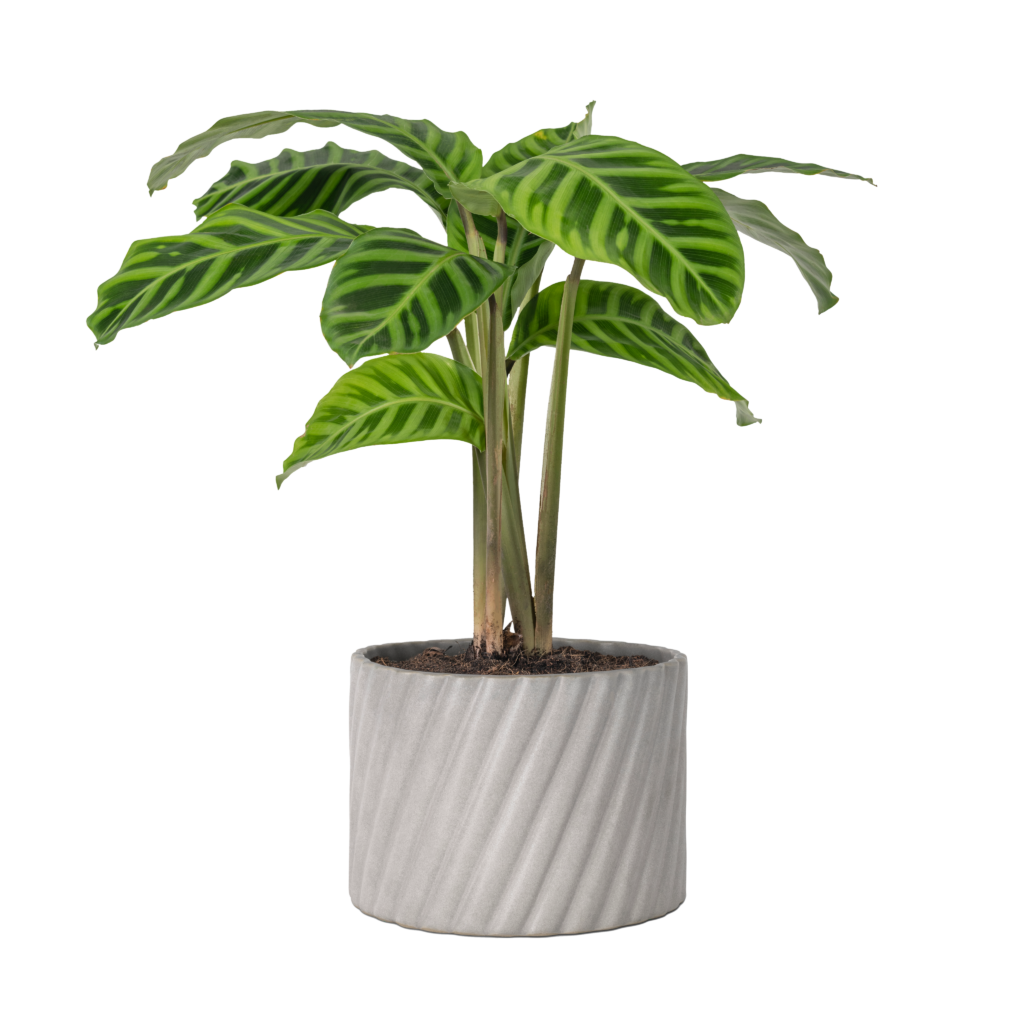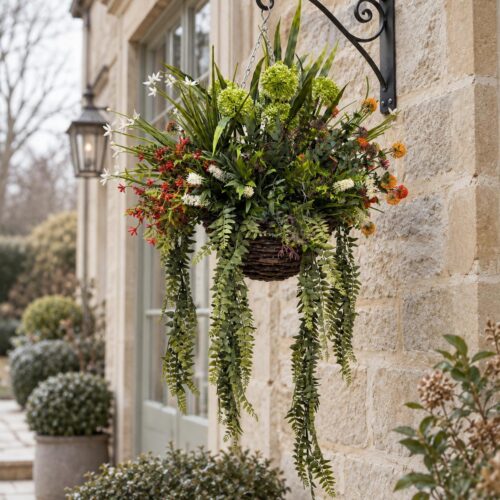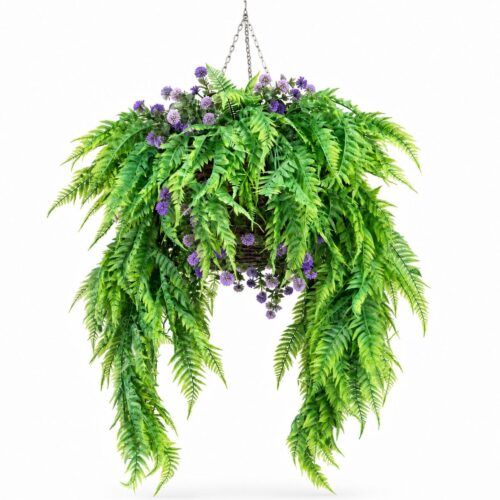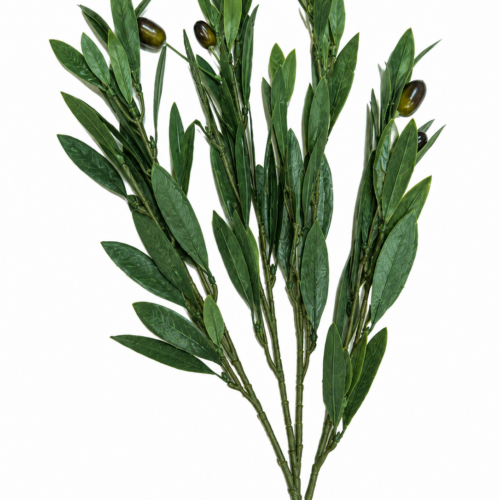
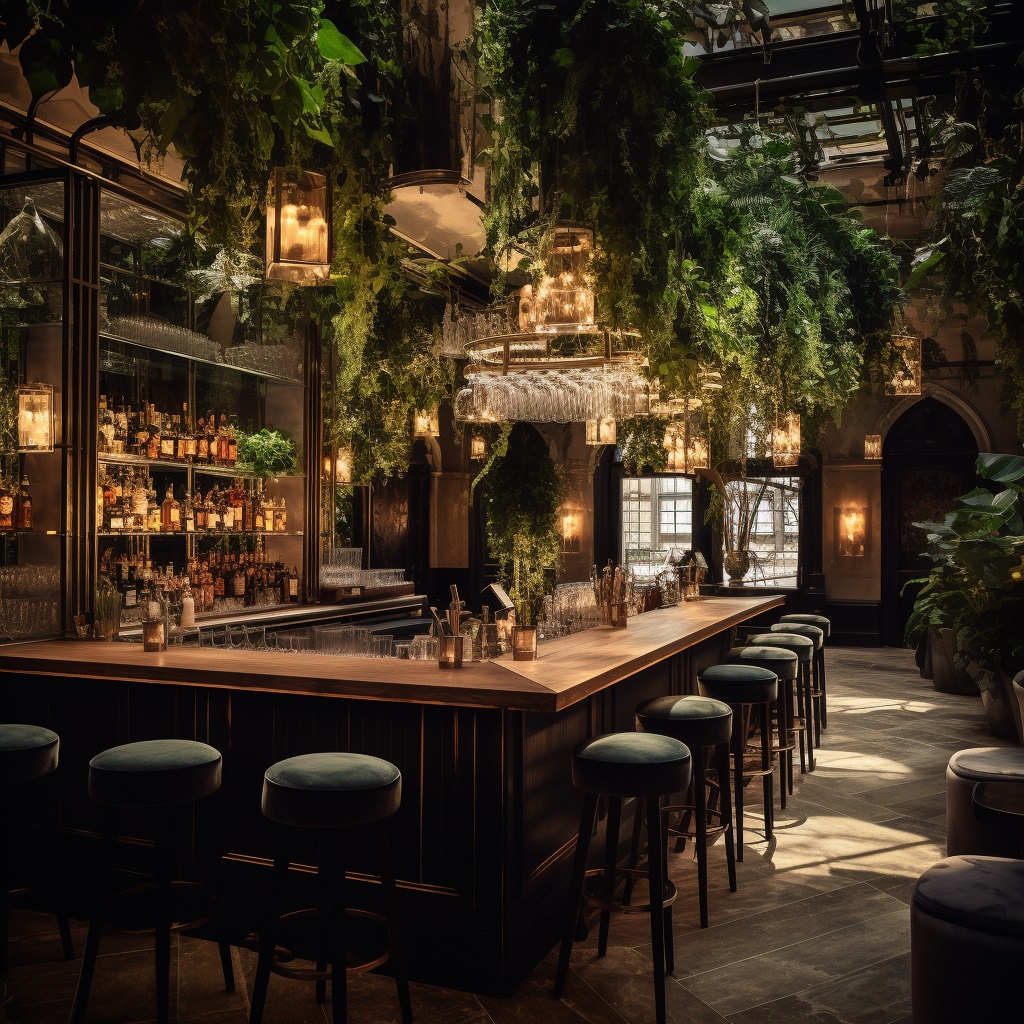
Artificial freestanding plants are low-maintenance, visually effective screening plants that need no light or water, making them a practical way to create table privacy without building solid walls. For restaurant owners, managers and hospitality teams, tall foliage, trough planters and artificial hedging can interrupt direct sightlines, define zones and add greenery while keeping the room visually connected.
This guide shows you how to plan a restaurant privacy screen using artificial plants and artificial plants, from choosing plant forms, heights and trough planters to getting dimensions, stability, safety, outdoor use, fire compliance, styling and simple care right. Used well, these screens improve guest privacy, shape the dining area and support smoother day-to-day operations without the permanence of solid partitions. You can also browse our bar and restaurant plants to see hospitality-ready ideas.
What a plant-based screen achieves in a dining room
A good screen breaks up views between neighbouring tables, softens the line between dining and walkways and keeps the space feeling open. Solid partitions can feel enclosed. Planting gives a lighter, more welcoming boundary that still reads as intentional design. Guests gain a sense of seclusion at the table while staff keep sightlines.
Artificial planting suits busy service. Displays keep their shape year round, do not drop leaves and do not rely on light or water to thrive. There is little maintenance, just routine cleaning. If the layout changes, planters move with the furniture, so you can adjust the line for a private hire, a new menu or a seasonal terrace arrangement.
Where to position screening in a restaurant plan
Sit at different tables and note the direct views. Privacy usually matters where diners face one another across a narrow aisle, near bright entrances or beside service points.
Useful positions include between closely spaced two-tops along a wall, at the end of fixed seating to finish a booth run neatly, on the line between the dining room and the bar, and around reception or waiting areas. Screening beside an entrance settles the front of house so the first tables do not feel exposed each time the door opens. Outside, planting helps define the site boundary without a hard barrier. A few well placed runs often interrupt the main sightlines enough to give each table its own bit of quiet.
Picking plant types that suit screening
Different plant shapes create different levels of cover and use different amounts of floor space. Narrow, upright forms are your friend on a compact floor. Denser foliage helps where tables sit very close together. Mix forms for a natural look and to match your brand style.
- Bamboo: Tall artificial bamboo gives generous greenery with a slim footprint. Several bamboos in a trough form a clean, continuous screen that still reads airy.
- Grasses: Tall grasses are ideal for a lighter, lower boundary. They run neatly along a walkway edge and break up views without feeling heavy.
- Hedging: Artificial hedging adds denser coverage when you need a stronger visual boundary, and FR hedge panels are available where fire-retardant specs apply.
- Trees: Slim artificial trees such as ficus or a linked palm tree work well to mark transitions or anchor corners. Use selectively where ceilings are high and circulation is clear.
- Accents: Trailing plants at the ends of a trough soften edges. For a bistro feel, small artificial plants or artificial flowers add colour, and roses can sit within a hedge run.
If you want to compare choices quickly, browse a curated range of artificial plants suitable for screening and zoning. You can view sizes, forms and planter ideas together, then choose what fits your plan.
Choosing heights, widths and trough planters
Block the seated eyeline without boxing guests in. Over a typical banquette or two-top, a displayed height of roughly 120 to 160 cm interrupts direct views and protects capacity. In booth-heavy rooms you may want a little more height at the ends and a touch less through the middle.
Measure before you shop. Displayed height includes both plant and planter. A plant that is 140 cm tall in its pot may present at 160 cm in a taller trough. Upright forms, like bamboo and grasses, tuck between tables more easily than broad canopies. Leave comfortable clearance for trays and hot plates.
A continuous trough keeps the base line tidy and makes multiple plants behave like one screen. Choose a planter proportionate to the foliage so it looks designed rather than improvised. Finish the top with preserved moss, bark or pebbles to conceal nursery pots and present a clean surface.
Building a continuous screen with trough planters
Work in runs that match the furniture rhythm. A rectangular trough with a line of bamboo or grasses is tidy along a wall of two-tops. For islands of tables, shorter troughs set back to back can define a zone without stealing floor space. If you need denser cover along one short stretch, add a hedging section where it matters most.
Set the trough in position before shaping. Place the plants, check views from both sides and adjust spacing until the line feels even. Vary heights slightly and stagger tips so the planting reads natural. Add ballast low in the planter for stability, dress the top neatly and wipe the foliage so the display looks fresh on day one. For a ready-made vertical divider, free standing green walls provide a slim, mobile option.
Stability and safety on a busy floor
Restaurants are high traffic spaces. Stability is non-negotiable. Most freestanding plants arrive in a weighted nursery pot, which then sits inside the decorative trough or planter. Add additional ballast low down, such as bagged sand or gravel, so the centre of gravity stays near the floor. Keep heavy material below the line of sight and finish with your chosen top dressing.
Check movement routes from a standing and seated position. Screens must not pinch aisles, obstruct emergency access or cover an exit sign. Keep foliage clear of table edges, light fittings and door swings. Keep planting away from open flame and heat. A slightly lower run across a service bay helps staff read the room without exposing diners completely.
Outdoor seating and pavement cafés
Outside, choose products described as UV protected or suitable for outdoor use. UV-stable foliage resists colour fade better through the season. Sheltered positions extend life, so a canopy or deep reveal helps on bright sites.
Drainage is essential. Outdoor planters should not trap rain around the nursery pots. If a planter floods after heavy weather, let it drain fully before re-dressing the top. Wind is the other factor. Use heavier planters or extra ballast and choose narrower profiles in exposed positions. Keep planting within your licensed boundary so it reads as part of the business rather than general street furniture. To source exterior-rated options, browse our outdoor plants.
Fire safety and compliance in commercial settings
For venues that need safe screening without sacrificing appearance, fire-retardant artificial plants are often the answer. Selected products are available in FR versions, including hedge panels suitable for screening runs. Always check individual product pages and your risk assessment. Position foliage away from open flame, hot equipment and heaters, and confirm any additional requirements with the responsible person for your business. You can also compare our artificial plants and hedging products that carry FR specifications.
Realism, styling and brand fit with artificial trees
Restaurant planting is often viewed close up. Quality matters. Look for realistic, natural colour, varied leaf sizes, subtle sheen, convincing stems and branch junctions. High quality faux plants do not read like fake plastic and, at their best, come close to the real thing. Done well, guests register the calm and the beauty first, not the construction. If your scheme needs flowers, use selective artificial flowers or roses to add a touch of colour without fighting the food.
Shape each plant once it is in position. Splay main stems so they radiate from the centre, then stagger tips for depth. Avoid identical shaping. Choose planters that fit your interior style, whether that is matte black for a contemporary room, stone effect for a rustic house style dining room or a tone that echoes furniture and menus, and use the same approach in hospitality spaces and living rooms when the aim is a convincing decorative finish. Match finishes to existing hardware so the planting feels part of the site.
Care and maintenance, kept practical
Artificial planting is low maintenance. Dust collects in busy spaces, so include foliage in the cleaning process. A soft microfibre cloth or a low suction brush works for most surfaces. A slightly damp cloth lifts marks from suitable plastic leaves. Outdoors, an occasional rinse removes dust and pollen. Check stability regularly, especially near tight routes.
Fake plants do not release spores or pollen, which can help reduce allergy triggers. They also do not attract pests that often infest real plants kept indoors. They also do not provide the biological air exchange of live plants. Think of them as a practical way to deliver a consistently fresh, green look and a calm edge to the room, not as a substitute for ventilation; many are also made from recyclable materials.
Your step by step process
Plan from the guest’s point of view. Decide which views need softening and which can remain open. Measure the run and set a target displayed height that interrupts seated eyelines without hiding service. Before your first order, shortlist plant types that match the coverage and style you need. Bamboo and tall grasses solve most runs. Hedging helps where tables sit very close. Add a few artificial trees to mark junctions or to anchor a corner, and use small artificial plants or trailing plants at host stands for a tidy finish.
Select trough planters proportionate to the foliage and your floor space. Order enough to create a continuous line. On delivery, set everything in place, add ballast low in the planters, then shape foliage for a natural silhouette. Dress the top neatly so the display looks considered. Walk the floor again. Adjust any pinch points, confirm emergency routes remain clear and signs visible, then bake the screen into your cleaning routine.
Quick specification checks before you buy
- Displayed height: confirm the combined height of plant and planter suits seated eyelines.
- Footprint: choose upright forms to keep circulation clear on compact aisles.
- Outdoor rating: use UV-stable foliage outside for better colour hold through the season.
- FR needs: where required, choose fire-retardant products and keep paperwork on file.
- Stability: plan ballast and, on exposed sites, consider discreet fixings.
Budget, price, first order and availability
Many restaurants phase screening across a few orders. When you compare options, check each product page for current price and live stock rather than assuming a standard lead time. If you are working to an opening or refurbishment date, build in time for shaping and placement on site. We supply and deliver across the UK, and the team can help you select suitable products for your room, brand and budget.
Examples that work on the floor
A slim bamboo run in a trough along a wall of two-tops interrupts views across the aisle without touching shoulder space. A low line of tall grasses on the edge of a walkway softens movement near window seats. A denser hedging section beside the table closest to the bar gives that guest breathing room during a busy service. Two slim palms set either side of the pass mark the junction to the kitchen without blocking staff routes. A pair of topiary at the entrance flanks the door neatly and helps guests find the host stand. On a terrace, UV-stable grasses and bamboo define the boundary so it reads as part of the restaurant rather than general street seating.
Related ideas you can adapt
The same screening principles help in cafés and hotel lounges, and they translate well to corporate canteens where office plants are used for zoning. At home, a tall plant in a trough can zone open plan living, fill an empty corner or transform a hallway display as an easy alternative to real plants, and the look can carry through to a garden just as it divides a dining bay in a restaurant. In both cases, upright shapes keep sightlines open and traffic smooth.
Plan your restaurant privacy screen
Ready to discover options and build a plan that fits your floor? Explore a curated selection of freestanding options, then choose trough planters to create continuous runs. Start with bamboo, tall grasses, hedge-style foliage and a few slim trees or a palm to anchor corners and bring a touch of nature into the space. You can browse and order online, and product pages show price and stock. We supply across the UK and deliver to site. To see suitable options now, browse our freestanding plants for screening and zoning.
Frequently Asked Questions
Which artificial plants work best for restaurant privacy screens?
Upright forms with good foliage density and a modest footprint are the most practical. Tall bamboo and grasses suit long runs in trough planters, hedge-style foliage gives denser cover where tables sit close together, and slim trees like ficus or palms anchor ends of seating without stealing floor space.
Do you supply fire-retardant options for commercial use?
Yes, selected products are available in fire-retardant specifications. Check the individual product page for FR details and confirm your venue’s requirements before ordering.
Are your plants suitable for outdoor seating areas and terraces?
Some ranges are outdoor rated with UV-stable foliage for better colour hold in sunlight. Always check the product specification. Position and shelter also influence longevity outdoors.
Can you provide trough planters and components for continuous screens?
Yes. You can pair freestanding artificial plants with rectangular trough planters to form continuous runs. Decorative top dressings such as preserved moss, bark or pebbles finish the look and conceal nursery pots.
How do I check price and stock, and how quickly can you deliver in the UK?
Current price and live stock status appear on each product page. We supply and deliver across the UK. For timings that fit a specific opening date, contact the team and we will advise on options available for your schedule.