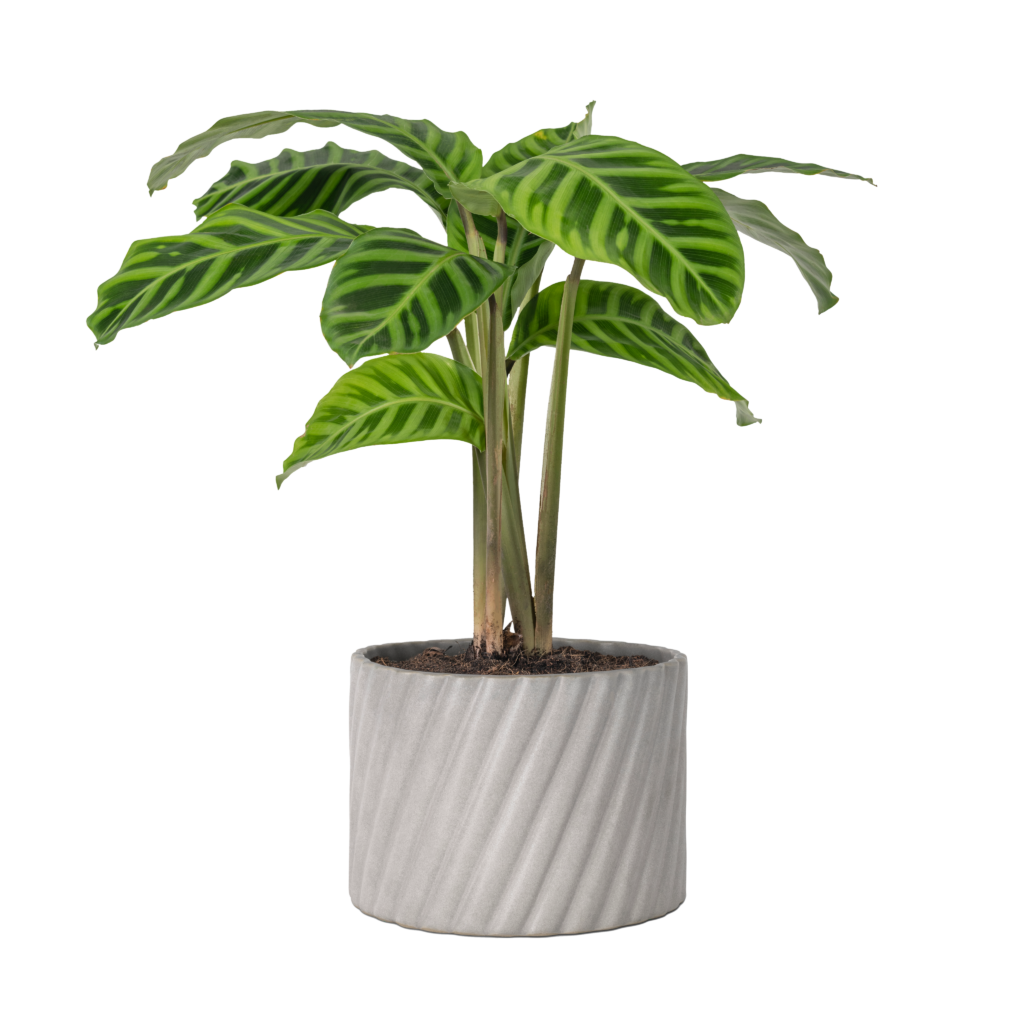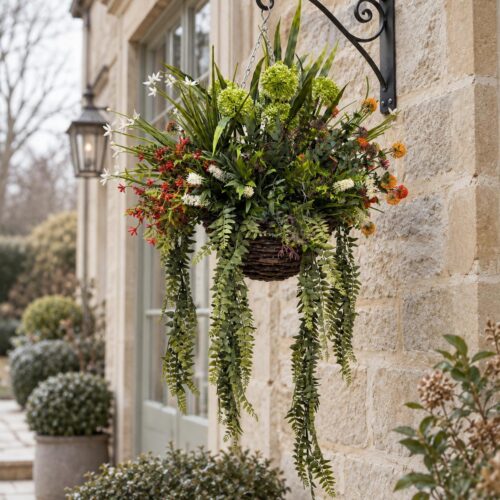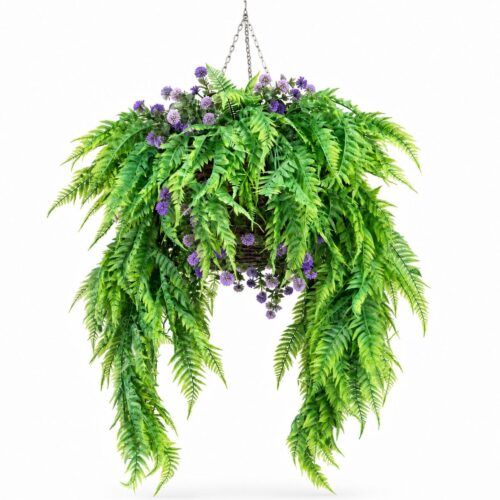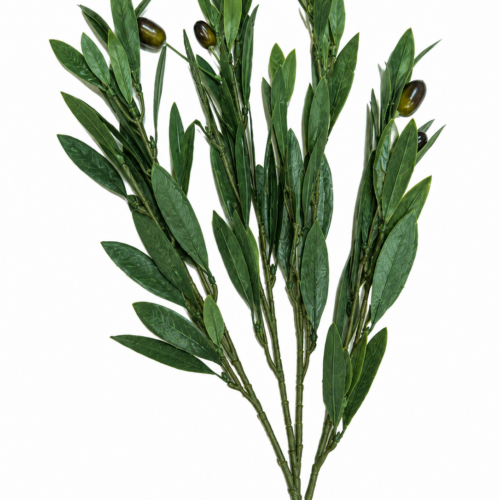
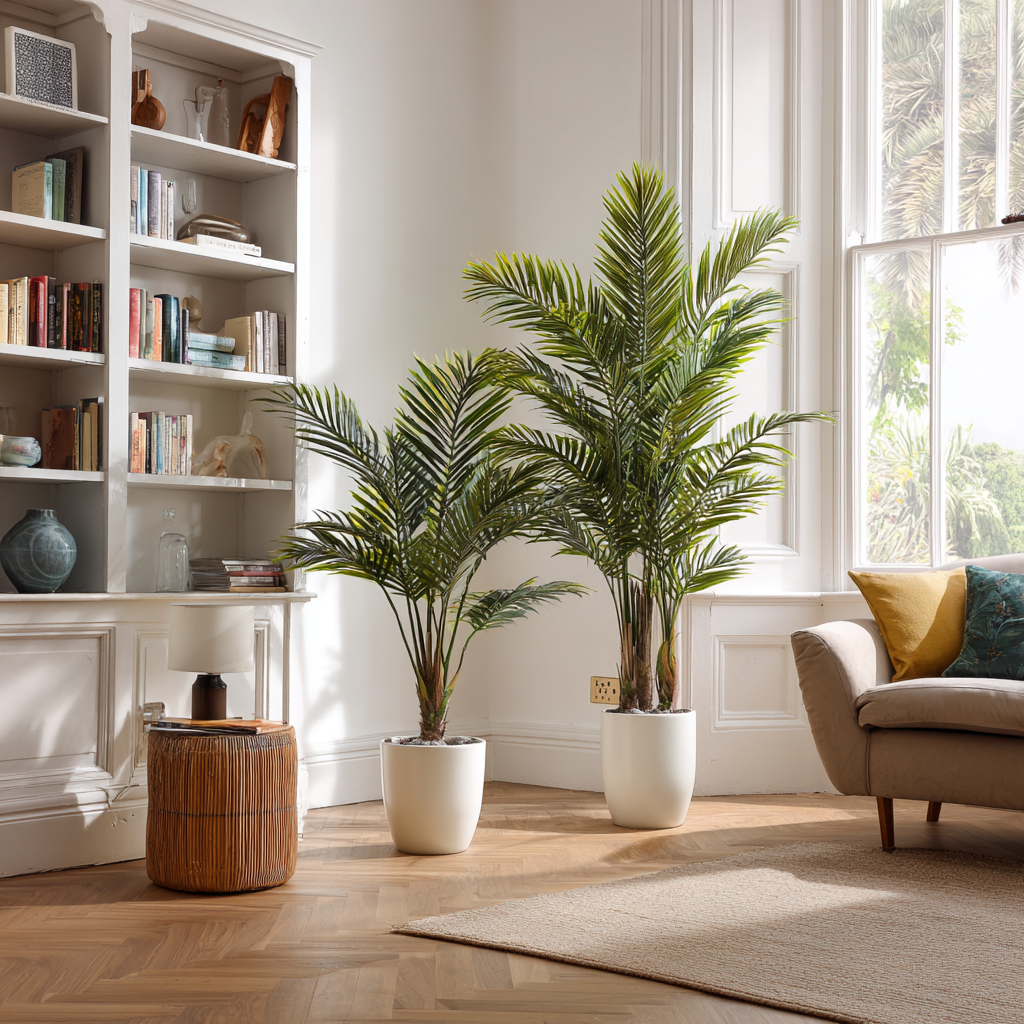
How to Choose the Right Size Artificial Trees for Your Room comes down to proportion and clearance. The right size artificial tree looks intentional, fills the space gracefully and stays clear of ceilings, doors and walkways. Start by measuring your ceiling height and the floor area where the tree will sit, then choose a height that feels proportionate, usually around two thirds of the ceiling height for a floor tree, with comfortable clearance at the top. Balance that height with the tree’s spread so it does not crowd furniture or block light. If you are styling a wider home decor scheme, think about how the foliage will complement colours, textures and key pieces.
This guide gives you a simple method to size an artificial tree for UK homes and commercial interiors, with practical examples for different rooms, tips on pots and planters, and advice on tree shapes that help you make the most of the space you have. You will also find pointers for outdoor spaces like patios, balconies and gardens where wind and sunlight change the rules.
A simple artificial tree sizing rule that works in most rooms
For a floor standing artificial tree, aim for a height roughly 60 to 75 percent of your ceiling height. This keeps the tree tall enough to add presence without feeling cramped. Leave at least 10 to 20 cm between the top of the foliage and the ceiling for standard ceilings. In rooms with coving or a ceiling pendant nearby, give yourself a little more clearance so it looks deliberate rather than squeezed in.
Width matters just as much. A fuller, spreading silhouette needs more breathing room than a slim columnar shape. Look at the stated spread as well as the height, and allow a margin of at least 10 to 15 cm on each side so foliage does not rub against walls, curtains or furniture. Many artificial trees have wired branches you can shape, so you can reduce the spread a little where needed without spoiling the look. The goal is a complete, balanced appearance that feels calm and elegant, not cramped.
Measure the space before you choose
Height is only one dimension. Getting scale right means understanding the whole envelope around the tree, not just how tall it is. Measure the floor footprint you are willing to give up, since a corner can take a larger base than a narrow alcove next to a sofa. Check ceiling height at the exact spot, because sloped ceilings and beams can reduce headroom. Note nearby items that change how big a tree can feel, such as wall lights, radiators, bookcases, curtain poles and doors that need to swing open. Then stand back and view the spot from the main sightlines in the room, because a tree that hides a favourite feature or blocks a view can feel too large even if it technically fits.
A tape measure and two pieces of masking tape can tell you a lot. Mark the intended base footprint on the floor, then hold the tape vertically to your planned height while you or a helper looks from common seating positions. You will immediately see if the proposed size overwhelms the area or feels lost. This simple check is just as useful when you decorate a commercial environment or refine a home decor layout.
Typical UK ceiling heights and matching tree sizes
Most UK homes sit between 2.3 m and 2.6 m ceiling height on standard floors, with loft rooms and period properties varying more. For 2.3 m to 2.4 m ceilings, floor trees between 1.3 m and 1.8 m work well for corners and beside furniture. Go closer to 1.8 m if you want height without crowding, especially in uncluttered corners. Smaller 1.2 m options suit tighter rooms or to sit behind an armchair.
For 2.5 m to 2.6 m ceilings, 1.6 m to 2.1 m trees feel balanced. A 1.8 m to 2.1 m tree makes a confident focal point in a medium sized living room and keeps proportions comfortable with longer sofas.
For higher rooms at 2.7 m to 3.0 m, a 2.1 m to 2.4 m tree usually looks proportionate in larger rooms and open plan areas. If the room is narrow, choose a slim silhouette at the taller end to maintain height without dominating the width.
Remember, the planter adds height. A 1.8 m tree placed in a 30 to 35 cm tall planter reads closer to 2.1 m overall. Check the total once you have a shortlist.
Height, spread and silhouette: why tree shape changes everything
Two trees of the same height can feel completely different because of how they occupy space. Think in terms of volume, not just height. Slim columnar forms, such as bamboo or some palms, suit tighter gaps and narrow rooms. They give height and greenery without projecting too far into the room. Light, airy canopies, such as olive trees, work well near windows or artwork because they add movement without forming a visual wall, and their dappled foliage feels lighter even at taller sizes while staying fresh in appearance day to day. Full, bushy foliage, such as ficus and fiddle leaf styles, fills corners beautifully and softens hard lines, although they need more lateral space and are best where you want a stronger statement. Architectural shapes, such as artificial bay trees, spirals and topiary, read as sculptural elements that stand out in entrances and formal rooms, so give them a little more room around the base to keep the profile crisp.
That consistency also means they lack the seasonal changes of a real plant. For some, that is the appeal, because you enjoy greenery year round without wilting leaves, watering, pruning or trimming.
If you love a full silhouette but space is tight, step down a height class or look for a naturally narrower species. If you want impact in a generous open plan room, a wider canopy at a given height can look more deliberate than simply going as tall as possible.
Choosing the right size by room type
Rooms set the rules. The best artificial tree size for a living room is not always right for a hallway or bedroom. Use these room based guidelines and then adapt for your layout.
Living rooms and family spaces
Aim for presence without blocking conversation or TV sightlines. In a standard ceiling living room, 1.6 m to 2.1 m is the sweet spot for a floor tree placed in a corner, beside a media unit or tucked behind an occasional chair. Keep at least a hand’s width between foliage and curtains so they move freely. For open plan living with higher ceilings, a 2.1 m to 2.4 m tree helps anchor a seating area, especially if your sofas are large and low.
Place a slimmer, realistic faux tree in a living room corner near foot traffic so it adds style without crowding the walkway, and use a fuller one in protected corners for visual balance. If your sofa has a tall back, a tree that rises 30 to 60 cm above it feels nicely proportioned. If your sofa is low slung, a taller tree can visually balance the room and complement the broader furniture shapes.
Dining rooms and breakfast areas
A tall, slender tree works well in the corner diagonally opposite the main doorway so you see it as you enter. Heights around 1.6 m to 2.1 m suit most dining areas, with slimmer profiles that will not interfere with chair backs. Keep foliage away from pendant lights and ensure guests can pull out chairs without brushing leaves. If you like a tropical edge, a slimmer palm tree can add lift without blocking light.
Bedrooms
Bedrooms benefit from softer silhouettes. Trees between 1.2 m and 1.6 m look calm beside a chest of drawers or in a reading nook. Taller options around 1.8 m can work if you have the space and ceiling height, but avoid blocking wardrobes. A smaller 90 cm to 1.2 m tree on a low stool or in a neat planter can bring greenery and charm without taking over. Olive styles bring a gentle elegance that sits well with textiles and warm wood tones.
Home offices
Visual calm helps you work. A 1.4 m to 1.8 m tree behind or to the side of your desk softens hard lines on video calls without intruding into your chair area. Avoid very wide canopies that shadow task lighting. A slender bamboo or featherier olive style is less distracting than a broad, shiny leaf. An banana tree suits an office because it is easy to place without the watering routine a real plant demands.
Hallways and landings
Go slim and tall in narrow halls. A 1.6 m to 1.8 m slender profile gives height without closing in the walkway. On wider landings, a 1.5 m to 1.8 m tree fills empty volume and draws the eye up a staircase. Keep handrail clearance in mind and ensure doors swing clear.
Entrances and porches
Entrances like definition. A pair of 1.2 m to 1.5 m trees either side of a door feels welcoming indoors. If you have a double height entrance hall, a single statement tree of 2.1 m to 2.4 m can look confident if it does not block the route. Check for radiators and console tables that restrict base size. Spirals and artificial bay trees offer formality and elegance that suits symmetrical layouts.
Small spaces and studio layouts
Scale down both height and spread. A 1.2 m to 1.5 m tree with a clean, vertical shape adds life without taking precious floor. Use corners and the negative space beside storage to keep circulation free. If you need greenery at eye level, a compact 60 to 90 cm plant on a sideboard may be better than a floor tree.
Commercial interiors
Reception areas, hotel lobbies and retail spaces typically have higher ceilings and more generous footprints. In these settings, extra large artificial trees from 2.1 m upwards feel appropriate. Choose a silhouette that aligns with the brand character, and consider pairs or clusters to lead the eye through a space. In hospitality, an artificial spiral tree offers a smart, sculptural line that photographs well. In tight corridors or between merchandising, keep profiles slim for safety and comfort.
Matching tree size to furniture scale
Furniture sets the visual baseline. A tree that barely reaches above a tall bookcase can look timid, while one that towers over a petite two seater sofa may feel top heavy. Next to a sideboard, choose a tree that rises at least 30 cm above the top to avoid looking stunted, so for a 90 cm tall sideboard a 1.4 m to 1.6 m tree works well. Behind an armchair, a tree that clears the chair back by 45 to 60 cm looks balanced and intentional. Beside a media unit, leave sightlines to the TV clear, and a 1.6 m tree can sit off to one side if the unit is low and long.
Use the 60 to 75 percent height rule as your first pass, then fine tune to the primary furniture piece in that zone. Aim for a style and finish that complement flooring and textiles so the overall appearance feels considered.
Pots, planters and total height
Every planter adds to the perceived height and footprint. A neat starter pot is compact, but a decorative planter can easily add 20 to 40 cm to the overall height and 10 to 20 cm around the base. That boost is helpful when a tree looks slightly low for the room and you have ceiling clearance to spare. It can create problems in tight spots if you have not accounted for it.
If you plan a tall planter, consider stepping down the tree height so the combined dimension sits within your target range. For example, a 1.5 m tree in a 30 cm planter reads as 1.8 m, which may be perfect for a 2.4 m ceiling. Choose a planter style that suits the silhouette. Slim, vertical trees pair well with tall, narrow planters. Broad, bushy trees look better in wider, lower planters that visually ground the canopy. Many trees arrive in a plain plastic starter pot, which slots neatly into a decorative outer.
Weight and stability matter, especially in walkways or busy family rooms. Many planters can be weighted with stones or a bag of sand hidden beneath a top dressing. Keep the centre of gravity low and stable so the tree feels safe day to day. If you share the home with pets or lively children, a heavier base reduces wobbles and mishaps.
Visualising size before you buy
Visual checks reduce guesswork. Tape the base footprint on the floor and mark the full height on the wall with a small piece of masking tape, then stand back from normal viewing positions and see how it feels in the room. You can also stack a box on a stool to the planned height and place it within the taped footprint to mimic the volume, which helps reveal clashes with wall lights, curtains or door swing.
If you are combining a tree with a specific planter, repeat the same two step exercise for the final total so there are no surprises when everything arrives. During holidays, you can also plan where you might add lights to a taller tree without clashing with pendants or picture frames.
Adjustability, shaping and final placement
Most quality artificial trees have wired stems and branches so you can fan foliage out or curve it gently to suit your space. This is not a licence to compress a very full tree into a gap that is too small, but it does allow you to ease a branch away from a wall, shape a canopy to clear a picture frame, or reduce the spread slightly so a corner feels tidy. Work slowly from the trunk outward, varying directions so the shape looks natural. Step back regularly while shaping, then rotate the tree to check from different angles.
Final placement matters as much as size. Angle the tree so the best side faces the main sightline. Pull it forward a few centimetres from the corner to give the illusion of depth and help foliage breathe. If it sits beside a curtain, keep the leading edge clear so fabric moves freely. These small adjustments complete the look and add polish.
Choosing tree styles, such as artificial palm trees, that make small rooms feel bigger
A carefully chosen silhouette can do visual work for you. Light canopies with visible trunks and dappled foliage, such as olives and some palms, keep sightlines open so you get height and greenery without a heavy block of colour. Narrow columnar shapes lift the eye vertically, and they work in alcoves or beside shelves where width is limited. Trees with a standard or lollipop form, such as bays or topiary standards, bring foliage above head height while leaving more air around the base.
If you crave a fuller look in a small room, moderate the height slightly and keep the spread under control with shaping so it reads lush rather than bulky. The right choice brings a touch of nature and elegance without overpowering the space.
Making a statement in larger rooms
In generous living rooms and open plan spaces, being too timid can make a tree look lost. Taller heights between 2.1 m and 2.4 m add structure. A broader canopy can help zone a seating group without a hard divider. If one tree feels lonely, use a pair at slightly different heights for rhythm, or combine a large tree with a smaller floor plant across the room to create balance. If you want a tropical feel, a grouped palm tree and an olive give height and movement without blocking sightlines. The key is deliberate repetition so greenery feels integrated with the room rather than an isolated accent.
Clusters, pairs and symmetry
Pairs on either side of a fireplace or console look classic and tidy. For symmetry, keep both trees the same size and silhouette and give each the same breathing room. Asymmetrical clusters are more relaxed. Combine a slim 1.8 m tree with a smaller 1.2 m plant and a table plant on a side table to build a layered corner that feels natural. Keep at least one common thread such as matching planters or similar leaf tone so the grouping still feels cohesive. If you love a style, you can echo it with similar styles at different heights in nearby zones.
Doorways, radiators, and practical clearances
Living with a tree should be effortless. Leave clear routes and simple access for everyday tasks, keeping a comfortable shoulder width beside doors and along main walkways so nobody brushes past foliage daily. Watch for radiators beneath windows, because prolonged heat is not ideal and can make a planter feel cramped, so shift the tree slightly or choose a cooler spot if possible. Allow space for cleaning and to reach sockets or switches, because a tree wedged behind furniture may look neat on day one but become inconvenient quickly. These considerations apply equally at home and in a busy commercial environment.
Indoor and outdoor considerations at the threshold
Some readers place trees near sliding doors or in enclosed porches. If you intend to move a tree outside for part of the year, check product suitability. Only UV protected artificial outdoor trees are designed for long term exterior use, and sizing for exposure is different because of wind and foot traffic. Indoors, you can plan more tightly, keeping the focus on ceiling height and spread relative to furniture. For exterior displays, allow extra base width and weight for stability and consider a slightly shorter height relative to the facade so wind loading is lower.
For permanent outdoor spaces like patios, balconies and gardens, choose UV resistant options and consider positioning in a sheltered area if your site is very exposed to sunlight and wind. To browse products suitable for long term exterior use, explore our outdoor range of trees and plants.
Size and style examples using popular artificial trees, including olive tree options
Connecting sizes to recognisable styles can make decisions simpler. Olive trees feel airy and elegant, and at 1.5 m to 1.8 m they bring gentle height beside a sideboard or in a sunlit corner. At 2.1 m, they read architectural without becoming dense, which is ideal for open plan living where you want height and lightness together. Ficus trees are lush and full, so a 1.6 m ficus softens a living room corner, while 1.8 m to 2.1 m ficus styles anchor larger spaces, although they need more lateral room and are best kept away from very tight corridors. Palms add vertical movement and a relaxed, tropical feel, with 1.4 m to 1.8 m adding lift beside a reading chair and 1.9 m and above working for higher ceilings, keeping fronds clear of ceiling lights. Bamboo is slim, architectural and very forgiving in narrow gaps, with 1.4 m to 1.8 m fitting most alcoves and 2.0 m to 2.2 m giving height without width in open plan spaces. Bay and other topiary standards suit entrances and smart corners, with 1.2 m to 1.5 m framing doorways nicely and 1.8 m standards feeling grand in spacious halls, provided you have width for clean clearance around the sphere or spiral.
If two options have the same headline height but one lists a much wider spread, expect a fuller presence in the room. Look for good leaf and trunk detail so the tree feels convincing from seating distance.
Common sizing mistakes to avoid
- Picking height in isolation and forgetting the planter adds to total height.
- Ignoring spread and then crowding curtains, radiators or shelves.
- Choosing a full, bushy silhouette for a very tight spot where a slender style would be happier.
- Going too small in a high ceiling room so the tree looks lost next to large furniture.
- Pushing a tree hard into a corner so it reads flat rather than three dimensional.
If you are between sizes, think about the surrounding elements. With large sofas and open corners, size up. With tight circulation and tall planters, size down.
Cleaning, care and long term placement
Artificial trees are low maintenance, which makes getting the size right up front even more valuable because you can then leave the display in place for years. A light dust every so often keeps foliage looking fresh. There is no watering, pruning or seasonal trimming to schedule, which is handy in busy households and homes with pets. When planning size, give yourself just enough space to reach behind and around the planter for quick cleaning. If you decide to reposition furniture seasonally, a tree you can move comfortably without scraping the ceiling or walls will be appreciated. For festive touches, you can safely add lights to many canopies without worrying about sap or shedding.
Bespoke sizing and custom trees for specific spaces
Some rooms demand precise dimensions. Alcoves with coving, commercial displays that must meet a brand brief, or spots where you need a specific trunk height and canopy width can all benefit from a custom approach. Evergreen Direct hand builds many artificial trees and can tailor height, spread and planter specification to suit awkward or exacting spaces. If you need a tree that sits just below a beam, clears a pendant, or fits a specific recess with millimetre accuracy, a bespoke build solves the proportions neatly. Learn more about our hand built artificial trees and speak to the team about a made to measure specification.
A quick measuring checklist you can trust
- Measure ceiling height at the intended spot and note any coving or beams.
- Mark your desired base footprint with masking tape, then check door swing and curtain movement.
- Decide your target tree height at around 60 to 75 percent of the ceiling height, then add planned planter height to get the total.
- Compare the tree’s stated spread to the available width and allow extra clearance for comfort.
- View the taped outline and proposed height from your main seating position before ordering.
Five minutes of measuring can save you a return or a compromise later.
What to compare on the product page
When you browse options, look beyond the headline height. Check the overall height and where the canopy starts, because a canopy that begins higher up reads taller than the same overall height with foliage beginning near the base. Look at the stated spread and adjustability, because a small difference in width can matter in tight corners. Consider trunk style and density, since natural wood trunks and good botanical detail look authentic and an open canopy can suit lighter interiors. Confirm pot and planter compatibility by checking the base diameter and weight so your preferred planter is a safe, stable match. Finally, look for UV protection where relevant, because for trees in bright sunrooms or outdoors you will want UV rated products to limit fading.
How to choose when you are genuinely torn between two sizes
Use the real constraints to decide, not only taste. If the larger size risks brushing the ceiling once a planter is added, choose the smaller. If the smaller size might look timid next to a long, low media unit or a large corner sofa, and you have the ceiling height, go up. Consider sightlines. A taller tree near a TV risks distraction. A shorter, airy tree may sit there more comfortably.
There is also the spacing of other elements to consider. If the room already contains several tall verticals, such as bookcases and floor lamps, a slightly shorter, fuller tree can provide contrast. If the room is full of low furniture, a taller, slimmer tree adds the lift you need without crowding.
Putting it all together with two worked examples
Example 1, a standard living room: You have a 2.4 m ceiling, a corner beside a 2 m long sofa and a 55 inch TV on a low unit on the other wall. You like a soft, leafy look. A 1.8 m ficus will fill the corner well, add around 30 cm height above the sofa and feel balanced. Choose a low, wide planter so the base looks grounded without adding too much to the overall height. Keep the tree a few centimetres off the corner to add depth.
Example 2, an open plan space: Your kitchen diner and lounge share a 2.7 m ceiling with lots of natural light. You want to help zone the seating area that has a modular corner sofa. A 2.1 m olive in a neat cylindrical planter near the end of the sofa brings height and gentle movement without blocking views across the room. If you love stronger definition, pair it with a 1.5 m palm on the opposite side of the seating group to make the greenery feel deliberate across the whole area.
Explore sizes and silhouettes for real spaces
Once you have measurements and a target size, it becomes much easier to browse confidently. Evergreen Direct offers a wide range of indoor styles and sizes, from slender bamboos to full ficus and airy olives, with many trees available in several heights. You can view the full range in the floor standing artificial tree category, compare stated heights and spreads, and choose a planter to bring the total to your ideal measurement. For a relaxed, vertical silhouette with a hint of the tropics, browse our palm tree options. If sculptural form is your brief, explore topiary or an artificial spiral tree. Prefer soft and airy foliage, see olive trees. For a compact architectural line, try bamboo. For classic structure, consider artificial bay trees. To add a bold leaf shape, compare the banana tree.
Ready to choose with confidence
You now have a method that removes guesswork. Measure the space, apply the two thirds rule for height, account for planter height, check the spread, then visualise with tape before you buy. If your project needs an exact fit or a specific silhouette at a particular size, ask about bespoke builds so height and spread are made to measure. If you need exterior options, focus on UV resistant specifications for long term exposure.
Plan the size. Pick the silhouette. Then enjoy greenery that looks the part every day with little to no upkeep. Indoors or out, you can enjoy beauty and greenery year round.
Find the right tree size with Evergreen Direct
Explore the range online, compare sizes and silhouettes side by side and, if you need help, speak to our team about the best height and spread for your room. We can advise on planters, stability and, where needed, build to a custom specification so your tree fits perfectly first time. UK delivery is available across the collection. Browse our stunning collection to see more products and similar styles that complement your interior.
If you are planning exterior displays in bright sunlight or a breezy, exposed spot, explore our outdoor range of trees and plants for durable, UV resistant designs suited to patios, balconies and gardens, or position in a sheltered area where appropriate. For bespoke sizing or a brand led brief, see our hand built artificial trees.