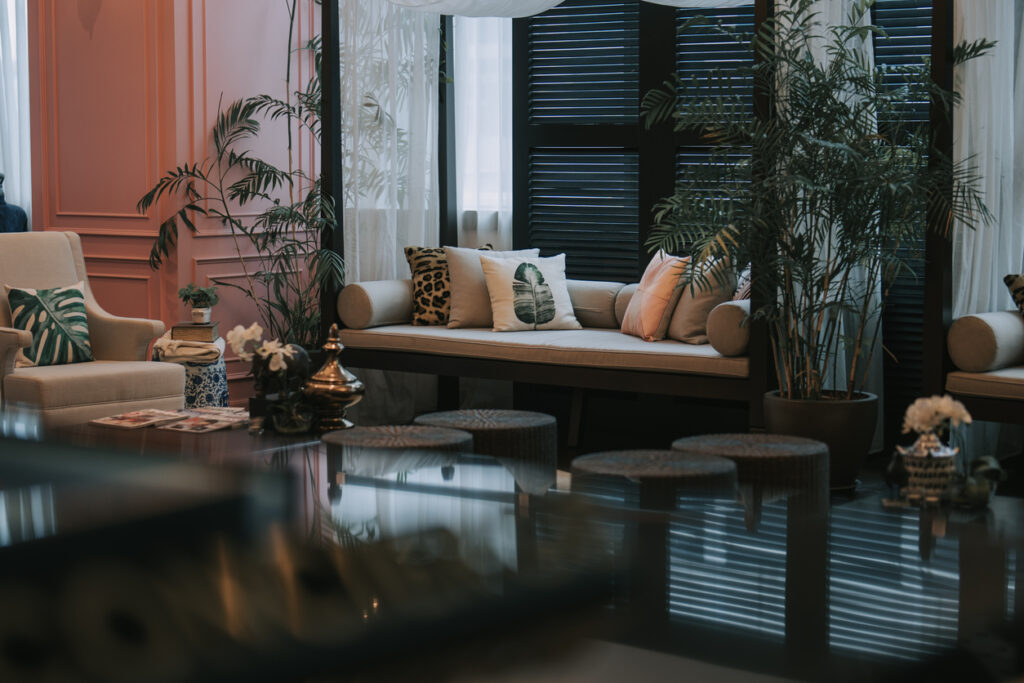
Greenery has the power to transform a space. Whether it’s used to soften interiors, define zones, or create a calming atmosphere, the right plants can elevate a space’s look and feel.
But not every environment is suited to the same type of greenery, and choosing the wrong option can lead to unnecessary maintenance, poor longevity, or disappointing results.
Understanding the setting, conditions, and purpose of the space is key to choosing greenery that not only looks good on day one but also continues to perform over time.
Let’s Start With The Environment
Before selecting any greenery, it’s important to consider where it will be placed. Factors such as light levels, temperature, humidity, and footfall all play a role in determining what will work best.
Spaces like offices, commercial buildings, spas, gyms, exhibitions, and retail environments often have limited natural light, controlled climates, or high levels of daily use. In these situations, durability and consistency are just as important as appearance.
Greenery needs to enhance the space without becoming a maintenance burden or a risk to presentation.
Matching Greenery To The Purpose Of The Space
Different settings call for different approaches to greenery. A reception area may benefit from statement planting that creates a strong first impression, while workspaces and offices often need subtle greenery that adds warmth without distraction.
In wellness environments such as spas, hotels, and leisure facilities, greenery is often used to support relaxation and calm. Here, consistency of appearance and resistance to humidity are essential.
In contrast, exhibition spaces and events require greenery that is portable, easy to install, and capable of delivering impact quickly.
Choosing greenery that aligns with how the space is used ensures it enhances functionality rather than competing with it.
Considering Maintenance and Longevity
One of the most common challenges with greenery is upkeep. Live plants require ongoing care, watering schedules, and the right conditions to thrive. In busy or commercial environments, this can be difficult to manage and costly over time.
Artificial greenery offers a practical alternative when maintenance, durability, and long-term consistency are priorities.
High-quality artificial plants retain their appearance regardless of lighting or environmental conditions, making them suitable for a wide variety of settings where real plants may struggle.
When selecting greenery, it’s important to think beyond the initial installation and consider how it will look and perform months or even years down the line.
Scale, Proportion, And Placement
The size and placement of greenery can dramatically affect how it’s perceived. Larger plants can be used to anchor a space, define zones, or fill empty corners, while smaller plants work well on desks, shelves, counters, and reception points.
Trailing greenery can soften hard edges and add movement, while structured planting can bring order and balance to open spaces. The key is to choose greenery that complements the environment’s scale and doesn’t overwhelm or feel out of place.
Thoughtful placement helps greenery feel intentional rather than decorative for decoration’s sake.
Aesthetic Style And Brand Identity
Greenery should support the overall style and identity of a space. Minimal, modern interiors often suit clean lines and simple planting, while more natural or luxurious environments may benefit from layered greenery and richer textures.
In commercial settings, greenery can also reinforce brand values. Consistent use of plants across different areas helps create a cohesive experience and strengthens visual identity.
Choosing greenery that aligns with colour palettes, materials, and architectural features ensures it feels integrated rather than added on.
Flexibility for Changing Needs
Many spaces evolve over time. Offices are reconfigured, events change locations, and commercial interiors are refreshed to keep them relevant. Greenery that offers flexibility can adapt to these changes without requiring replacement.
Artificial plants are particularly well-suited to environments where layouts change or displays are updated regularly. They can be repositioned, reused, and incorporated into new settings with minimal effort, offering long-term value and versatility.
Making the Right Choice
Choosing the right greenery is about balancing appearance, practicality, and performance. By understanding the environment, the space’s purpose, and the expectations of those using it, it becomes easier to select greenery that enhances rather than complicates.
Whether the goal is to create a welcoming workplace, a calming wellness space, or a visually striking display, the right greenery can make a meaningful difference.
With careful consideration and the right approach, greenery becomes more than an accessory; it becomes an integral part of the space itself.