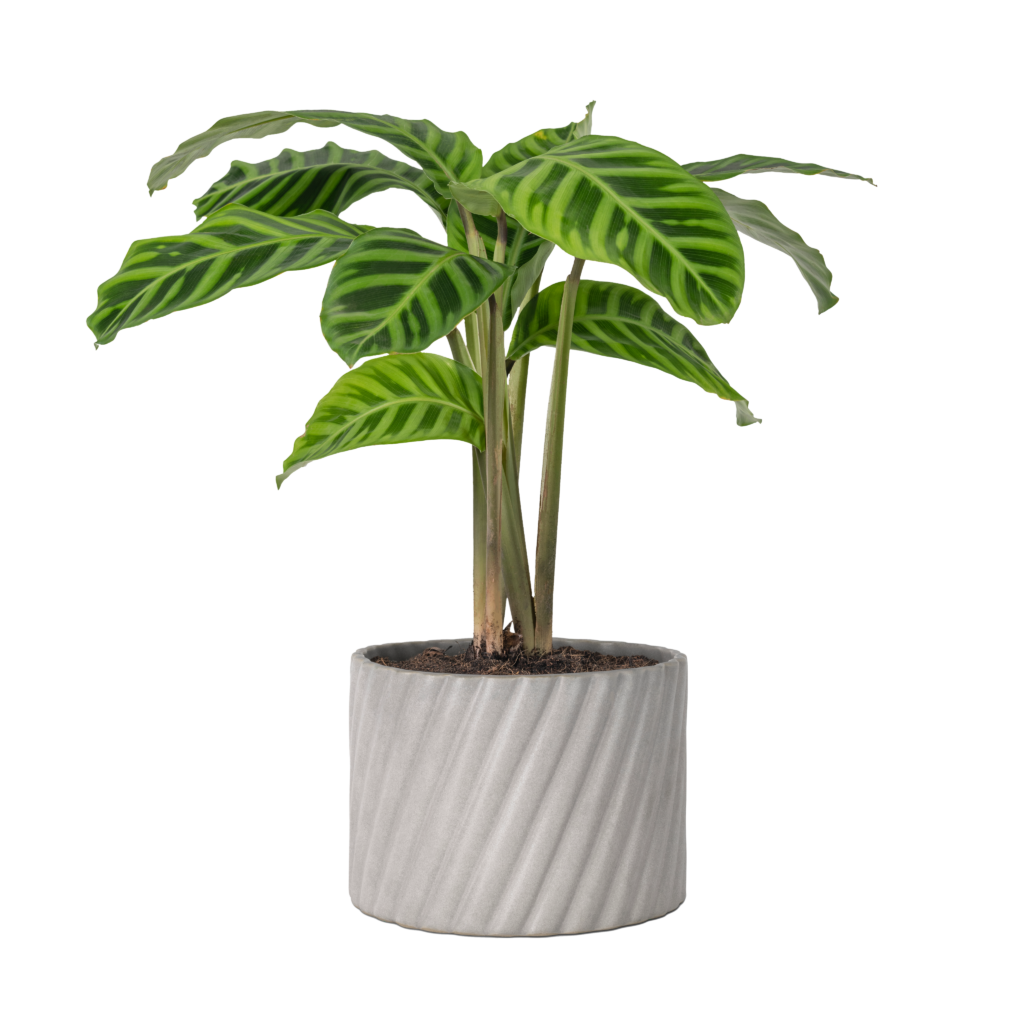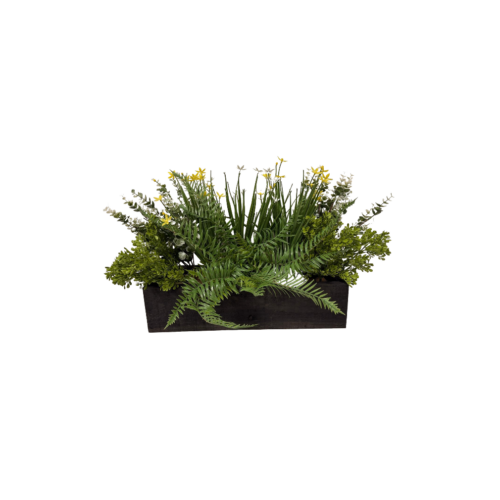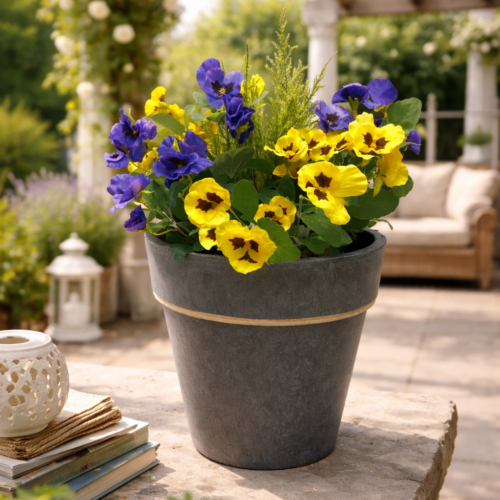
Artificial plants have become a popular choice in the UK for homeowners and interior designers who want beautiful greenery without the maintenance of real plants. Today’s realistic artificial plants are designed to closely replicate the real thing, offering lifelike leaves, natural stems, and vibrant flowers that add beauty and life to any living space.
Why Artificial Plants Are Popular in UK Homes
Whether you are looking for artificial plants UK shoppers trust, decorative artificial flowers, or large faux plants to transform a room, modern artificial greenery offers a stylish and practical solution. With zero upkeep and low maintenance, artificial plants allow you to enjoy greenery year-round without worrying about watering, sunlight, or temperature changes.
This guide explores the benefits of artificial plants, the different styles available, and how to choose great quality artificial greenery that enhances your indoor or outdoor space.
Why Artificial Plants Are a Popular Choice
Artificial plants are widely used in modern interiors because they provide the beauty of nature without the fuss of caring for real plants. Unlike living plants, lifelike artificial plants require minimal maintenance, making them a practical option for busy homes and workplaces.
Many people choose artificial plants because they thrive in low-light areas, high-traffic environments, and rooms where real plants may struggle. Bathrooms, offices, hallways, and shaded corners can all benefit from artificial greenery that stays vibrant year-round.
Artificial plants also offer health benefits. Because they do not produce pollen, artificial flowers and plants are hypoallergenic, making them suitable for allergy sufferers. They are also non-toxic and safe for homes with pets or children.
Another advantage is consistency. Artificial plants maintain their colour, texture, and structure regardless of temperature changes or seasonal conditions. This allows homeowners to create stylish interiors filled with greenery and blooms without the unpredictability of real plants.
Types of Artificial Plants Available
Artificial plants are available in a wide range of styles, materials, and sizes, making them suitable for almost any room or outdoor environment.
Many homeowners use artificial indoor plants to enhance their living space. Decorative options such as orchids, roses, tulips, peony blooms, and faux flowers add colour and elegance to a room while requiring no maintenance.
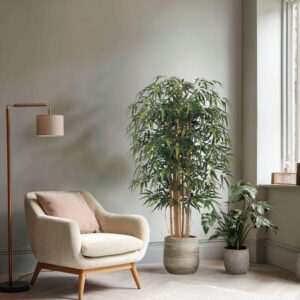
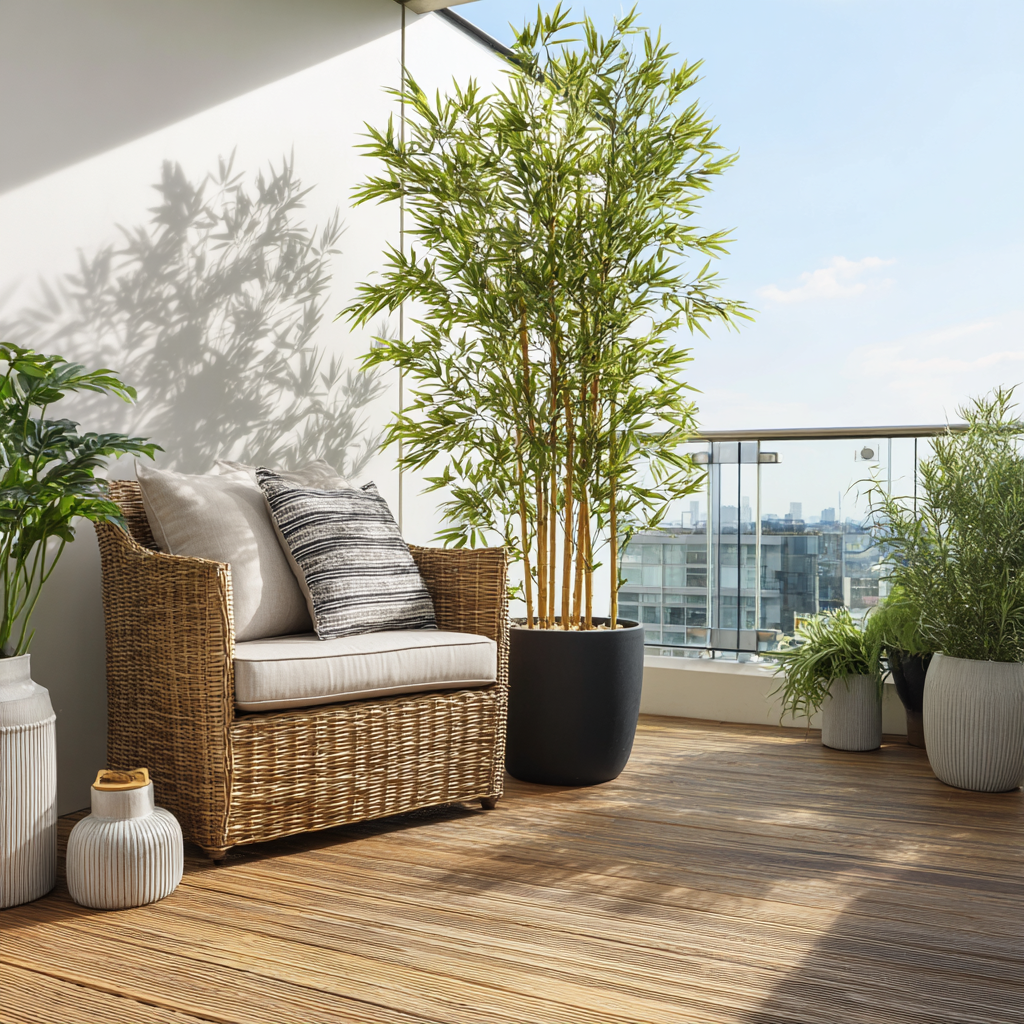
Larger artificial trees are often used as statement pieces. Popular choices include Monstera, bamboo, palm, and fiddle-leaf figs, which create dramatic focal points in interior spaces. These plants are ideal for filling empty corners and adding height to a room.
Artificial greenery is also widely used outdoors. Artificial topiary trees are a popular choice for entrances, patios, and garden spaces because they create a neat, elegant appearance without the maintenance required by real plants.
For smaller spaces, hanging artificial plants such as ivy and ferns can be placed on shelves, walls, or hanging planters to add greenery without occupying floor space.
Materials Used in High-Quality Artificial Plants
Modern artificial plants are made from carefully selected materials designed to replicate the appearance of natural foliage. High-quality plants may use polyethene plastic, polyester, latex, steel, and natural wood stems to achieve realistic structure and texture.
These materials allow artificial plants to maintain their shape and colour over time. Many outdoor artificial plants are also UV stable, preventing fading or brittleness when exposed to sunlight.
The combination of realistic leaf shapes, natural colour variations, and textured petals helps create plants that are often indistinguishable from real plants at first glance.
How Artificial Plants Transform Interior Spaces
Artificial plants can dramatically transform a room by adding colour, texture, and visual interest. Whether placed in a corner, on a shelf, or as a central feature, artificial greenery brings a natural aesthetic that softens interior spaces.
Large feature plants, such as palm trees, Monstera, or artificial olive trees, can serve as focal points in living rooms and open spaces. Smaller plants or decorative flowers can provide subtle accents that complement furniture and interior design.
Many homeowners use artificial plants to create calming environments that feel connected to nature. When arranged thoughtfully, artificial plants can transform a living space into a sanctuary of perpetual bloom.
Artificial greenery also works well in commercial environments. Offices, retail spaces, and hospitality venues often use faux plants to create welcoming interiors without the ongoing maintenance required by living plants.
Current Artificial Plant Trends
Artificial tress design continues to evolve, and several styles are becoming increasingly popular.
In 2026, large sculptural plants such as Ficus and Banyan trees are expected to be key interior design trends. These dramatic plants add architectural structure to a room and create a strong visual presence.
Artificial olive trees are also expected to be highly popular due to their elegant Mediterranean appearance. Their soft green leaves and natural shape make them suitable for both modern and traditional interiors.
For indoor gardening in the UK, commonly chosen artificial plants include Monstera Deliciosa, bamboo trees, succulents, and cacti, which offer striking leaf shapes and modern styling.
Styling Artificial Plants in Your Home
Styling with artificial plants offers a versatile approach to interior design. They can be used to create dramatic focal points or subtle touches of greenery that enhance a room’s overall aesthetic.
When arranging artificial plants, it is important to bend out the stems and smooth the leaves to achieve a natural appearance. Taking time to shape the plant properly helps it blend more convincingly into its environment.
Most artificial plants arrive in a simple pot. For a more polished look, placing the plant in a decorative pot can enhance stability and improve visual appeal.
Artificial plants can also be combined with natural materials such as wood, stone, and ceramics to create a balanced and stylish interior.
Cleaning and Maintaining Artificial Plants
Although artificial plants require minimal maintenance, occasional cleaning helps keep them looking fresh and vibrant.
To keep artificial plants looking their best, regularly wipe the leaves and pots to remove dust and dirt. For plants with large flat leaves, a damp cloth is often the most effective cleaning method.
Smaller or bushy plants can be cleaned using cotton wool or a small brush, which helps remove dust from delicate leaves and stems.
This simple cleaning routine ensures artificial plants continue to look realistic and attractive over time.
Why Artificial Plants Are a Practical Decorative Solution
Artificial plants offer a cost-effective, long-lasting decorative solution for homes and businesses. Unlike real plants, they require no watering, trimming, or seasonal care, making them suitable for people with busy lifestyles.
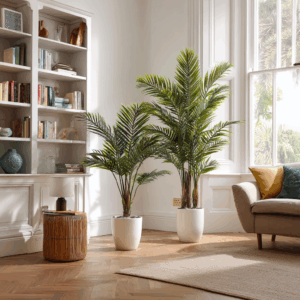
They can be placed almost anywhere, including rooms with little natural light or areas where real plants would struggle to grow. Artificial plants are also widely available in both online shops and physical stores, giving customers flexibility when purchasing greenery for their home.
Because they combine style, durability, and convenience, artificial plants remain one of the most versatile decorative elements in modern interior design.
Enhance Your Space with Artificial Plants
Artificial plants combine visual appeal with practical benefits, making them a versatile choice for modern interiors and commercial environments. From elegant artificial flowers to statement artificial trees and lush greenery, these plants can add colour, texture and natural style to almost any space.
Choosing high-quality faux plants allows you to enjoy the look of real plants without the ongoing maintenance they require. With long-lasting colour and year-round greenery, artificial plants provide an easy way to enhance living spaces, workplaces and hospitality environments.
Explore the full range of artificial plants and greenery to find styles that complement your space and bring natural character into your interior.