
Planting can change how a commercial interior feels and how people move through it, but the container matters as much as the plants. A long trough and a single pot do very different jobs, and choosing the wrong one can leave a reception feeling cluttered or an open-plan floor feeling bare.
This guide explains the differences between troughs, planters, and pots, where each works best in offices, hotels, and restaurants, and how to size and arrange them so your planting supports the space rather than getting in its way.
Troughs, Planters and Pots: What Is the Difference?
The terms are often used interchangeably, but they are not quite the same thing. “Planter” is the umbrella term for any container that holds plants, so both troughs and pots are types of planters.
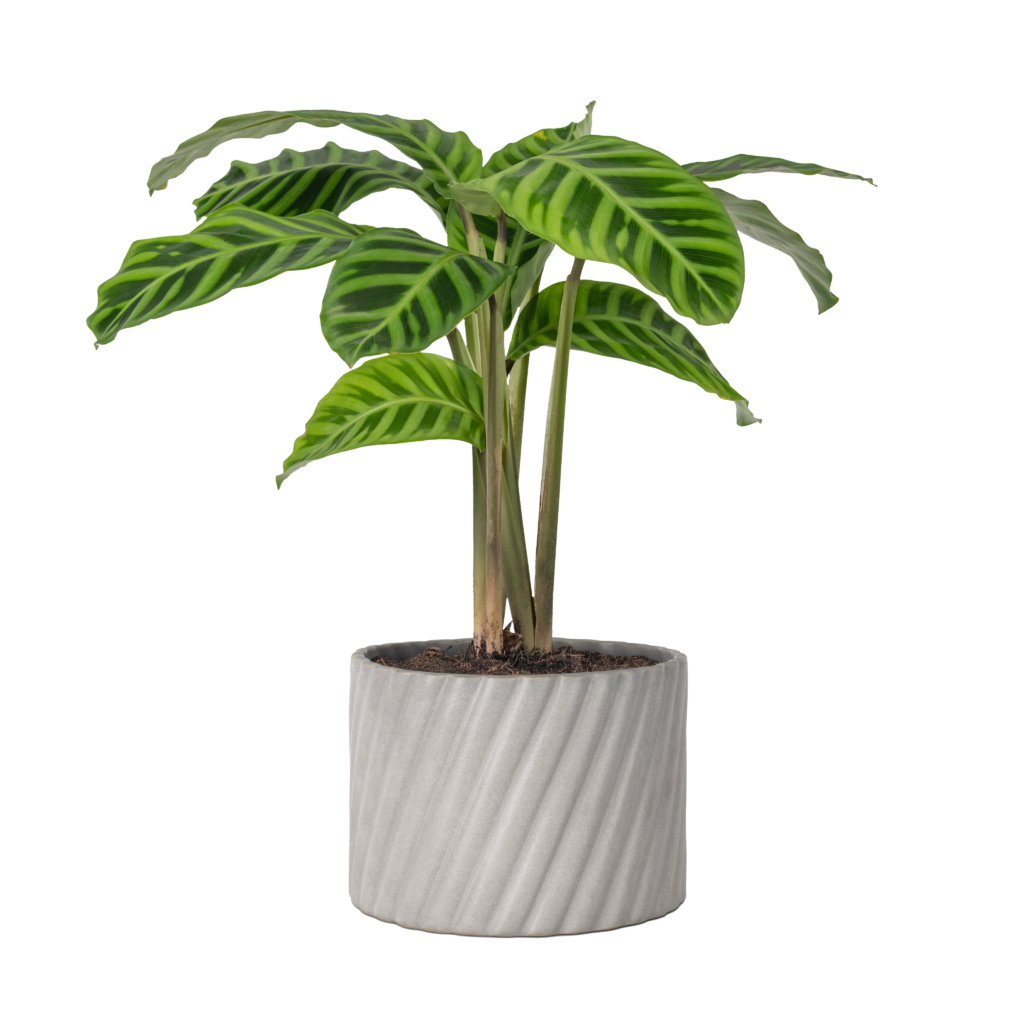
A pot is usually round or square and holds a single plant or a small group. It draws the eye to one point, which is why pots are often used for feature plants, small trees and corner planting.
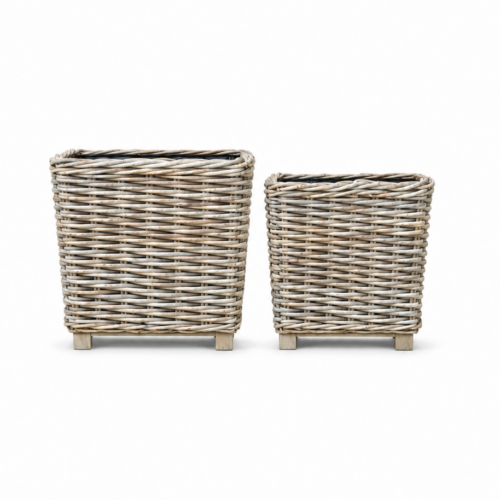
A trough is long, rectangular and low, designed to hold a row of plants side by side. Because it runs horizontally, it creates a line of greenery rather than a single focal point, making it useful for edging, dividing, and framing. Window boxes are a smaller form of trough, sized to sit on a sill or shelf.
In practice, the choice comes down to whether you want planting to shape the layout of a room or to accent it. Troughs tend to do the first, pots the second.
Where Trough Planters Work Best
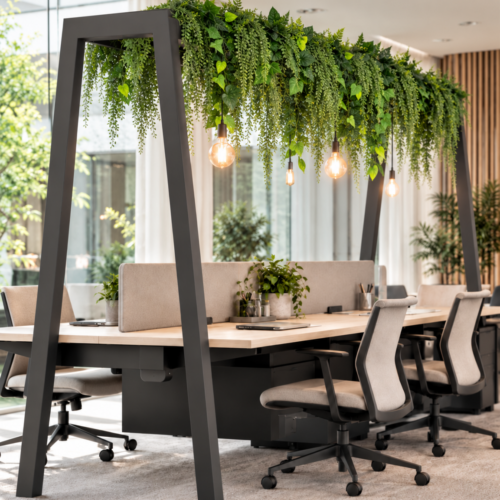
Troughs are at their most useful where a space needs structure. In open-plan offices, a run of troughs can separate breakout areas from desks or mark the edge of a meeting zone without the cost and permanence of a partition. Set on top of low storage units, they add height to a divider while keeping sightlines open across the floor.
In restaurants and bars, troughs work well along the backs of banquette seating, on the edges of raised areas and between tables, where they give diners a little privacy without closing the room off.
Hotels often use them on reception counters, along corridors and beneath windows in lounges, where a continuous line of greenery feels calm and considered.
Smaller troughs and window boxes suit windowsills, shelves and desks. They bring planting to eye level in places where a floor-standing pot would take up too much room, which makes them a good option for compact receptions and meeting rooms.

Where Pots Work Best
Pots come into their own where you want a focal point or need flexibility. A pair of tall potted plants either side of an entrance gives a strong first impression, and a single large tree can soften an empty corner or a double-height atrium in a way that a low trough cannot.
They are also easier to move. If a space is regularly reconfigured for events, or if you like to refresh the look seasonally, individual pots can be repositioned or swapped without disturbing anything else. That makes them well suited to hotel lobbies, event spaces and retail floors where displays change often.
The trade-off is that lots of small pots can look scattered. Where planting needs to guide people or define an area, grouping pots in odd numbers, or replacing a cluster with a single trough, usually gives a tidier result.
You can see a range of pot and planter styles in the planters and accessories collection.
Sizing and Layout
Good planter layout starts with the furniture and the routes people take, not the plants. Measure the width of the surface or floor area in centimetres, then calculate how much of it the planting should cover.
As a rough guide, small troughs of around 25cm suit windowsills and shelves, troughs of around 50cm suit desks and counters, and longer troughs or large pots suit floors, entrances and dividers.
Proportion matters. A trough that runs most of the length of a reception counter or sofa back looks deliberate, while one that covers only a small part of it can look like an afterthought. With pots, height usually does more work than width, so a tall plant in a modest pot often has more presence than a short plant in a wide one.
Keep walkways, doorways and fire exit routes completely clear, and avoid placing troughs where people might catch them with bags or chairs. If a standard size will not fit an alcove, a column or a long counter, a bespoke planter made to exact measurements is often the neatest answer.
Artificial Planting in Commercial Interiors
Many commercial interiors are difficult places for living plants. Receptions and corridors often have little natural light, air conditioning dries the air, and planting on high shelves or long counters is awkward to water. That is why many businesses choose artificial planting for troughs in particular, as a long run of real plants rarely thrives evenly from one end to the other.
Artificial troughs and pots need no soil, watering or drainage, so there is no risk of water marks on desks or flooring and no need for a plant maintenance contract. That also makes them a practical choice for restaurants and cafés, where standing water and soil near food areas are best avoided. An occasional dusting with a soft brush or a damp cloth keeps them looking fresh.
Fire safety is the main consideration indoors. In offices, hotels, restaurants, and other public spaces, your fire risk assessment may require evidence that decorative materials have been tested.
Look for flame-retardant (FR) planting where this applies, and ask for the certificate showing which standard it has been tested to.

Combining Troughs and Pots: An Example Layout
Most commercial interiors work best with a mix of both, using each where its strengths count. A typical reception shows how this fits together.
At the entrance, a pair of tall potted plants frames the door and signals arrival. Behind the reception desk, or along its front edge, a long trough adds a continuous band of greenery at eye level and softens what is often a hard, branded surface.
In the waiting area, a trough along the back of the seating separates visitors from the walkway, while small window boxes on the sills bring the planting into the rest of the room.
The result is planting that guides people from the door to the desk and then to their seats, with the pots marking key points and the troughs connecting them.
The same principle works in an office, where troughs define zones and pots mark entrances to meeting rooms, or in a restaurant, where troughs divide sections and pots soften the corners.
Common Questions About Troughs and Pots
Is a trough the same as a planter?
A trough is a type of planter. “Planter” refers to any plant container, while a trough is specifically a long, rectangular container designed to hold plants in a row.
Which is better for an office, a trough or a pot?
Troughs are usually better for dividing open-plan space and lining counters or storage units, while pots suit entrances, corners and feature plants. Most offices benefit from a combination of the two.
What size trough do I need?
Measure the surface or floor space in centimetres first. Small troughs suit sills and shelves, medium troughs suit desks and counters, and longer troughs suit floors and dividers. Aim for the trough to cover most of the length of the surface it sits on.
Choosing the Right Planters for Your Space
The question is rarely trough or pot, but which job each one should do. Troughs bring structure and continuity, pots bring focus and flexibility, and together they can make a commercial interior feel both organised and welcoming.
If you are planning planting for an office, hotel or restaurant, you can explore our indoor trough planters to compare sizes and planting styles, and our team can help with bespoke sizes for spaces that need something made to measure.